Failing 1980s Drain Field Replaced With Infiltrator Chamber System in Seymour Tennessee
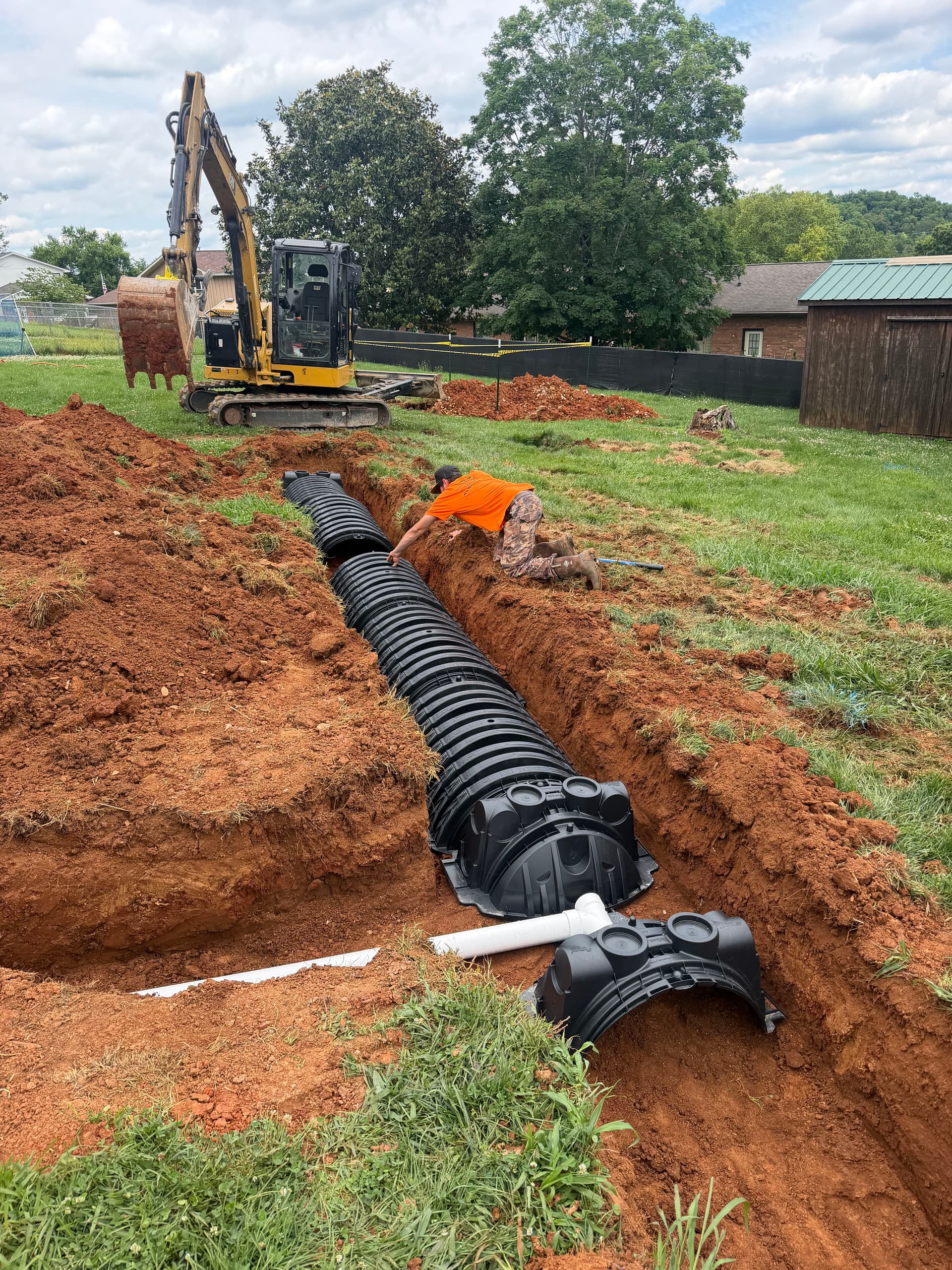
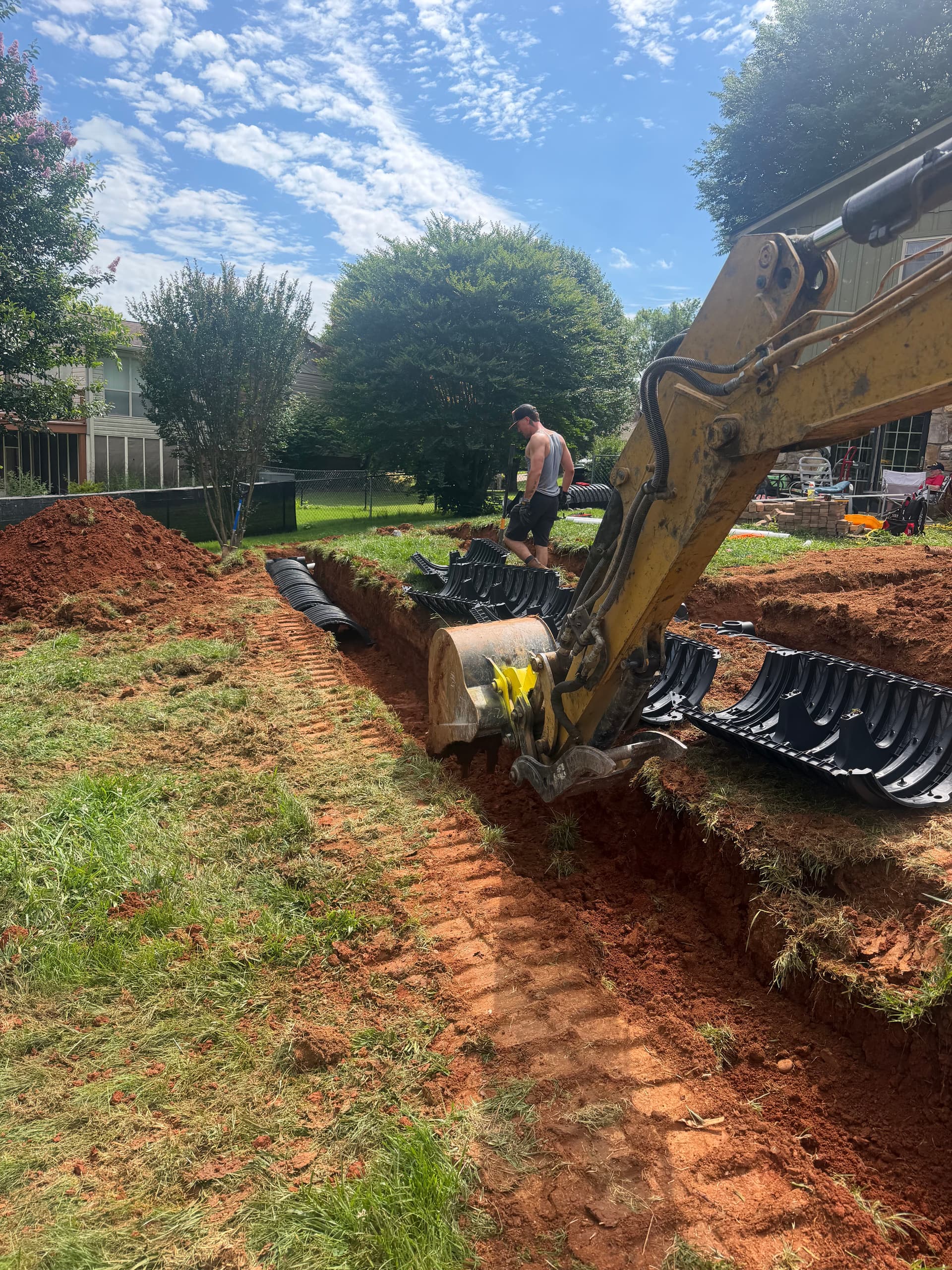
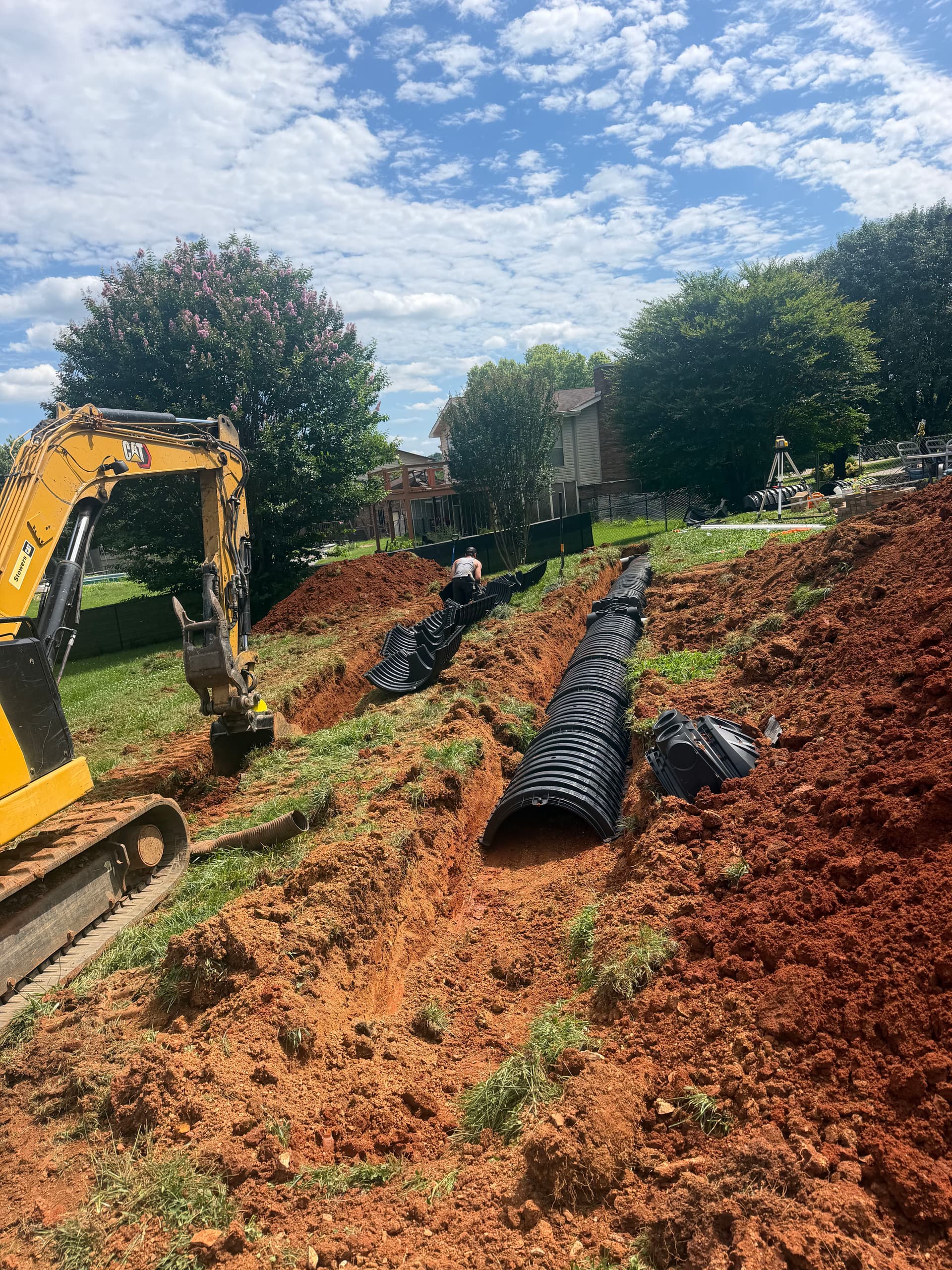


When a drain field that's been in the ground since the 1980s finally gives out, it doesn't give you much warning. Slow drains, soggy spots in the yard, and odors that shouldn't be there - those are the signs. And when you ignore them, it turns into a much bigger problem fast. That's exactly what we were dealing with here in Seymour.
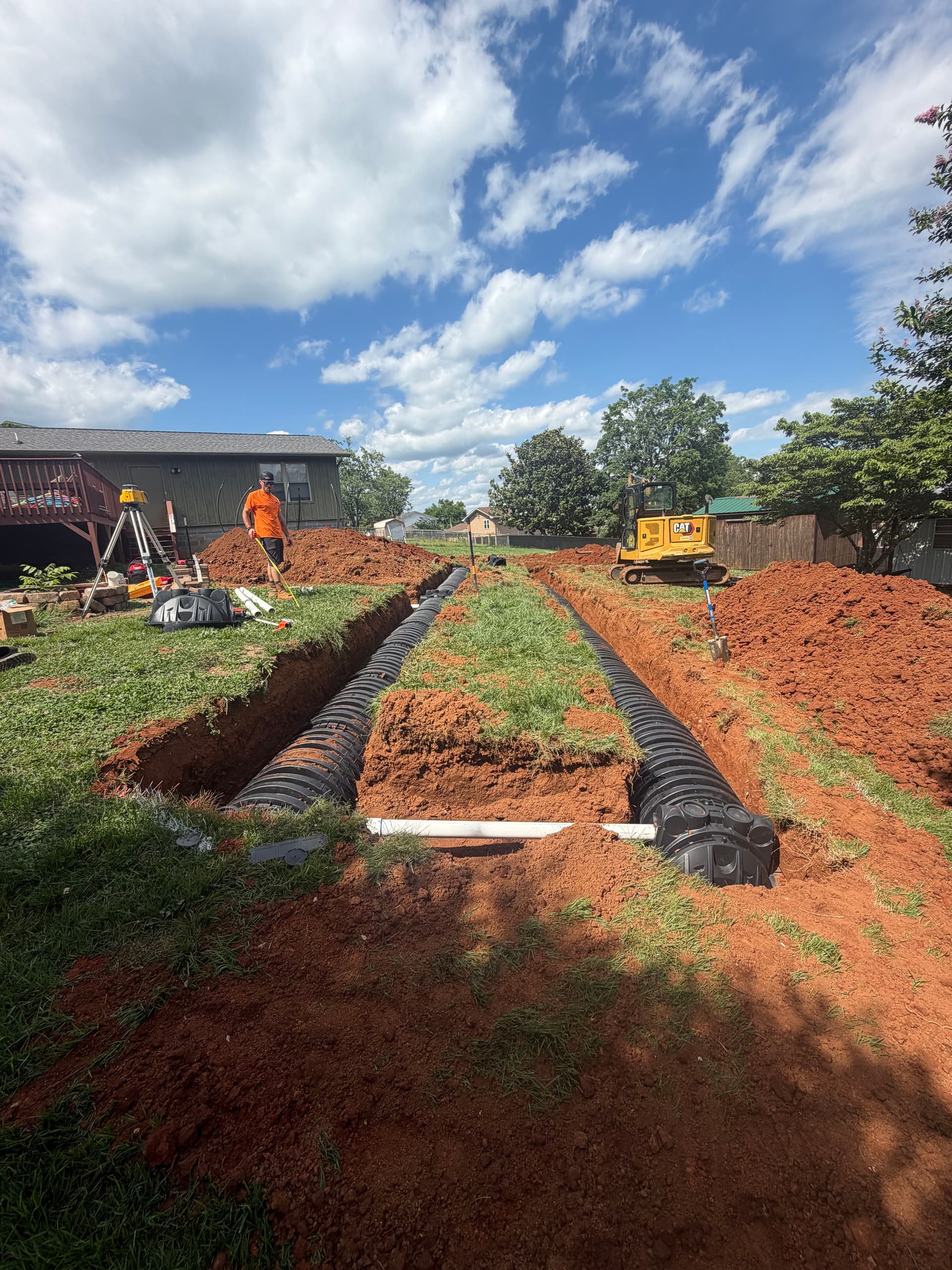
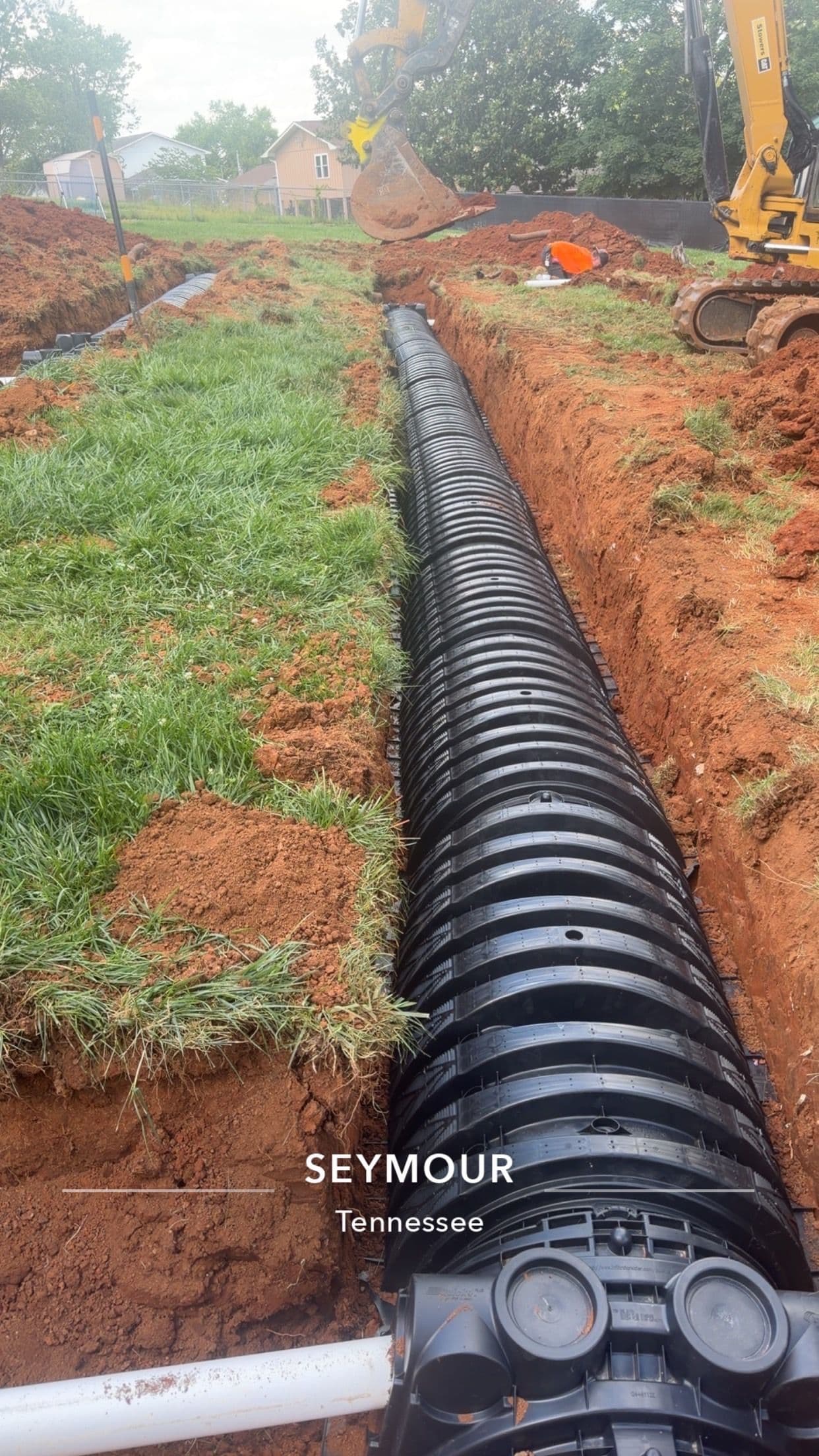
The old system had run its course. Decades-old drain fields were never designed to last forever, and this one was done. Our job was to pull it out and put in something built for how that property actually functions today. We went with an Infiltrator chamber system - and there's a good reason we reach for that product on jobs like this. The chambers allow for better effluent distribution and soil absorption than old-school gravel-and-pipe setups. They're more efficient, they handle load better, and they're built to last.
Site prep on a job like this takes real precision. We used laser level equipment to make sure the grade and pitch across the field were dialed in before a single chamber went in the ground. The trenches have to be cut right, the chambers have to be set right, and the connections have to be tight. There's no room for slop on a septic install - you get it right the first time or you're back out there digging it up again.
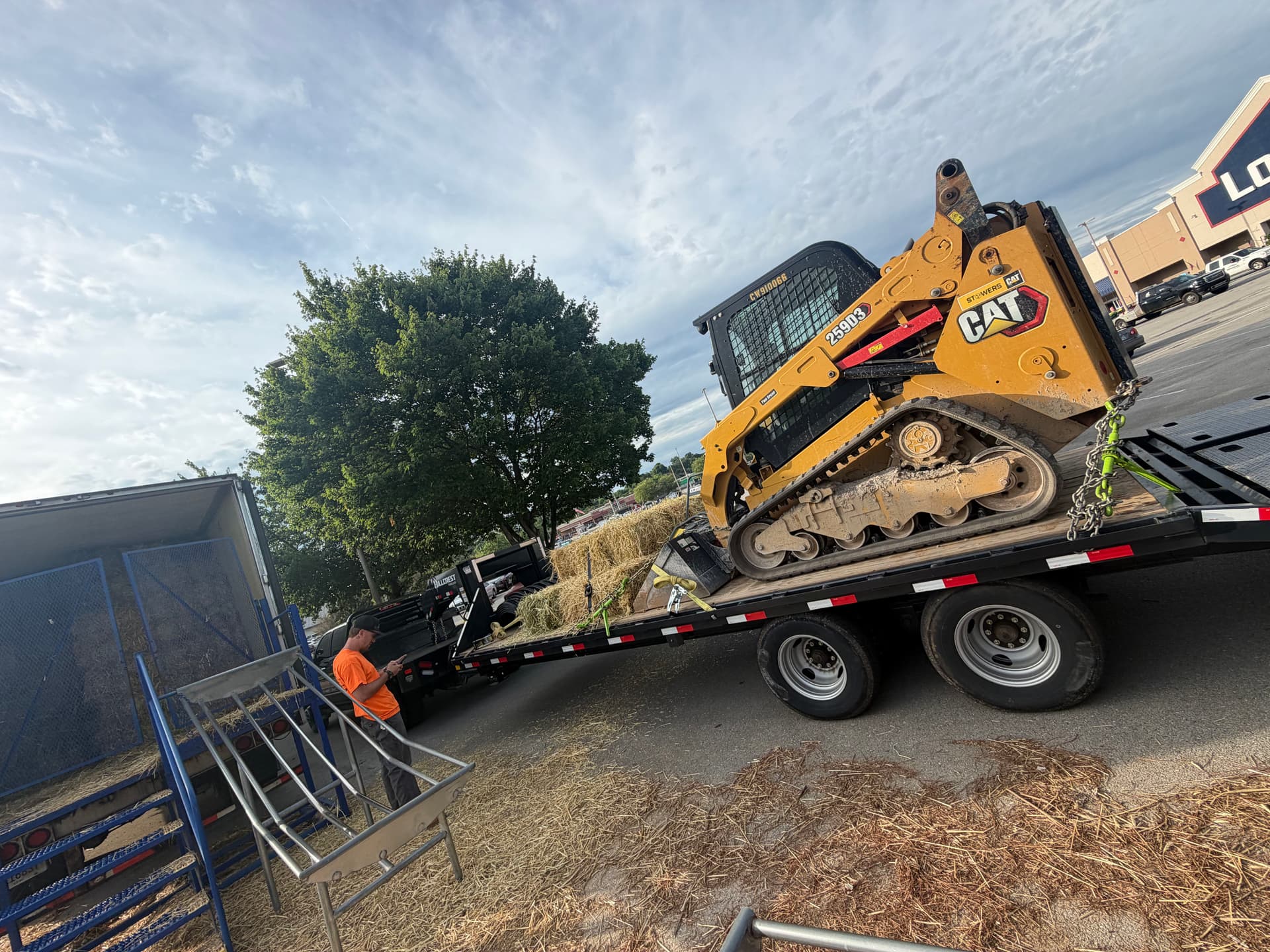
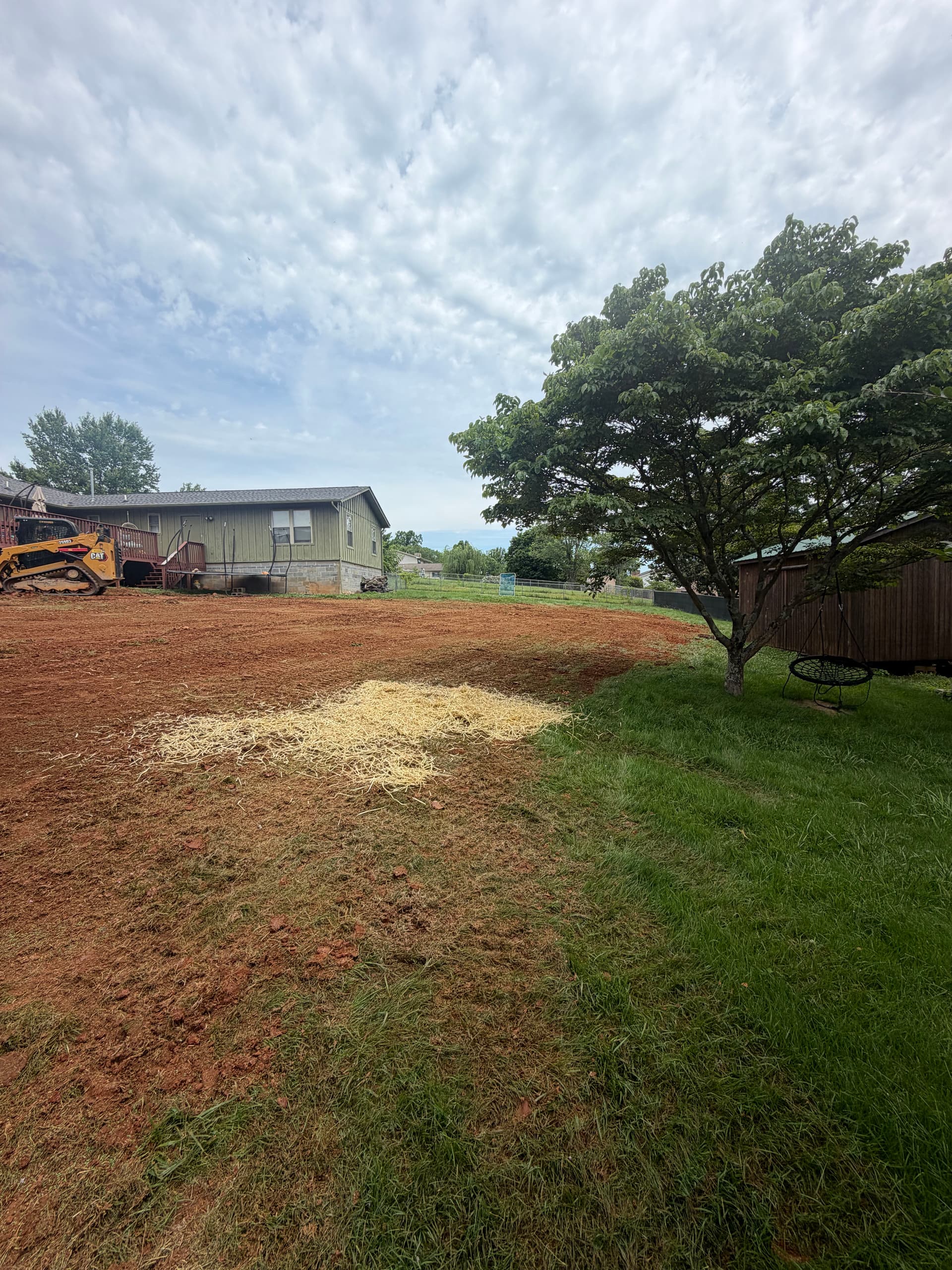
Once the chambers were set and backfilled, we didn't just pack up and leave the yard torn up. The crew spread straw across the disturbed ground to protect the soil and get it set up for regrowth. That's part of doing the job right - not just the underground work, but leaving the property in a condition the homeowner can live with while everything settles in.
A failing drain field is one of those problems you want to deal with sooner rather than later. The longer it sits, the more it costs - and the more of your yard ends up involved. If your system is showing trouble signs, give us a call. We're happy to come take a look and talk through your options.